


Sheepskin sleeveless vest: sherpa & winter style
Do you want a warm, easy-to-layer piece that adds flair to your outfits without weighing you down? The sheepskin sleeveless vest — in sherpa or genuine shearling — is the perfect ally when temperatures drop. It warms the torso, frees the arms for mobility, plays with texture contrasts, and adapts to (almost) all dress codes: city casual, bohemian chic, neo-outdoor. In this comprehensive guide, we'll look at what exactly sherpa is, how to choose your vest based on cut and material, how to cleverly pair it with your silhouette's volumes, and how to wash and revive the material so it stays beautiful for a long time.
Sheepskin sleeveless vest: how to choose it?
The choice is based on three axes: warmth & breathability, cut/length, details & palette. A good vest warms you without confining you, slips easily over your usual layers, and complements your style instead of dominating it.
Perceived warmth & breathability: density, lining, windbreaker
- Sherpa: plush knit (often polyester) that traps air, lightweight, dries quickly. "Cocoon" warmth ideal for urban settings and cold mid-season.
- Shearling: reversed leather with wool on the skin side; superior insulation, natural moisture regulation, very durable.
- Lining: cotton for softness, polyamide for gliding over knitwear; a windproof back is a game-changer for cycling.
- Fit: the more fitted it is (without being tight), the more the vest limits heat loss; oversized requires a neater inner layer.
Sherpa vs shearling: look, weight, price, ethics
| Criterion | Sherpa (imitation sheepskin) | Shearling (real shearling) |
|---|---|---|
| Warmth | Good, especially when layering | Excellent, natural regulation |
| Weight | Light to medium | Medium to substantial |
| Feel & look | Soft, "teddy-like," regular grain | Luxurious, lively grain, patinas |
| Care | Delicate machine wash possible | No machine wash, leather care |
| Durability | Good depending on grammage | Very high if well maintained |
| Cost | Accessible | Investment |
| Impact & ethics | Available in recycled polyester; prioritize quality | Leather byproduct; check supply chain and traceability |
Cut & length: straight or oversized, hip or mid-hip
- Straight cut: clean lines, suitable for the office; perfect over a shirt/turtleneck. Mid-hip length = maximum versatility.
- Oversized: bohemian spirit, room for a hoodie/knitwear; opt for a hip length if you are petite, mid-thigh if you are tall.
- Shoulders: ensure arm ease (mobility); an armhole that is too tight ruins layering.
Layers & collars: tee, shirt, knit, hoodie
- V-neck: allows a shirt or ribbed turtleneck to breathe.
- Round neck: crewneck look, very chic "sweat."
- Stand-up collar: outdoor soul, perfect in the wind; compensate below with a clean line.
Useful details: pockets, closure, finishes
- Patch pockets for hands; inner pocket for phone.
- Closure: buttons = workwear spirit; zip = practical; snap tab = clean line.
- Ribbing (hem/shoulders): maintains volume and warmth.
Palette & textures: ecru, sand, camel, khaki, brown, black
Ecru is luminous, camel warms, khaki modernizes, black structures. Let the "sheepskin" material interact with denim, corduroy, twill, flannel, tweed… The contrast is what defines the outfit.
What is sherpa?
Definition
Sherpa is a knit or plush fabric that imitates sheep's wool: dense, fluffy loops on the outside, supporting knit on the inside. The goal: to trap air to create an insulating layer while remaining lightweight.
Construction & grammage
- Short pile (3–6 mm): clean teddy look, reduced friction, quick drying.
- Medium/long pile (7–12 mm): distinct "sheepskin" effect, increased warmth, more careful maintenance.
- Grammage: the higher it is, the warmer and more "substantial" it feels. Look for a soft, non-plastic feel.
Differences with fleece, teddy, shearling
- Fleece: shaved surface, smooth appearance, technical/outdoor.
- Teddy: short, uniform sherpa; varsity vibe.
- Shearling: genuine wool attached to leather, premium natural insulator.
Responsible sherpa: recycled polyester & quality
Prioritize sherpa made from recycled materials when possible and check the quality (pilling, durability). A well-constructed vest that lasts is better than two mediocre replacements.
Advantages / disadvantages
- + Softness, lightness, simple care, affordable price.
- - Can pill if the fiber is short; less durable than high-end shearling.
Casual/bohemian style: how to wear it
City casual (women/unisex)
Surefire formula: straight-cut ecru sherpa vest + raw denim jeans + white tee + derby shoes or sneakers. Add a tan belt, a plaid flannel scarf: simple, effective, bright.
Bohemian chic
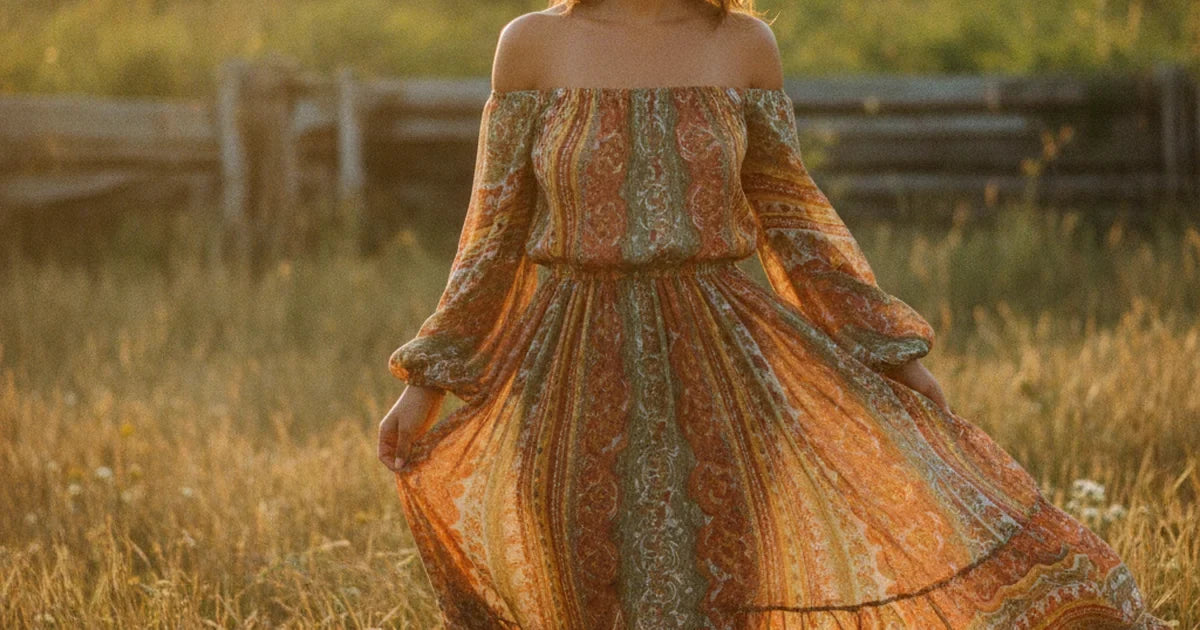
Oversized camel sheepskin effect vest + flowy midi dress + boots. Gold pendants, suede bag, felt hat. The material contrast (plush/veil) creates poetry.
Neo-outdoor
Khaki sherpa vest + hoodie + straight cargo pants + ribbed beanie. Boots or trail sneakers. Add a long double-breasted coat when it's freezing: clear layering, very current.
Urban tailoring (cool office)
Straight-cut chocolate shearling vest + flannel trousers + black turtleneck + loafers. Concise palette, rich textures, poised look.
Useful palette & contrasts
- Ecru × denim: iconic, photo-friendly.
- Camel × indigo: warm, authentic.
- Khaki × black: graphic and modern.
- Brown × sand: soft monochrome.
- Choose the cut (straight/oversized) according to the agenda.
- Fix a palette of 2–3 colors max.
- Mix one textured material (sherpa/shearling) with one smooth material (denim/twill).
- Add a textured accessory (suede/corduroy) that complements the vest.
Combining volumes (flattering proportions)
Rule 1: volume on top = clean bottom
A voluminous vest calls for a "sharp" bottom: high-waisted straight jeans, a fluid pencil skirt, neat chinos. Avoid the oversized + oversized combo unless you master playing with lengths.
Rule 2: vest length vs waist/hip
- Above the hip: lengthens the leg, energizes the silhouette.
- Mid-hip: most versatile, balances most body types.
- Mid-thigh: elegant on taller figures, perfect with boots.
Rule 3: layer thickness & mobility
Slip your vest over a tee/shirt/turtleneck; add knitwear under the vest if needed. Always test movements (arms raised, hands behind your back): if it pulls, it's too tight.
Body types (A, V, H) — where to place visual mass
- A (fuller hips): straight cut, mid-hip length, V-neck to verticalize, darker bottom.
- V (broad shoulders): vest with not-too-high armholes, soft texture, flared/fluid bottom to balance.
- H (straight): lightly belted vest or clean line, texture contrasts to suggest the waist.
| Top (vest) | Bottom that works | To avoid | Tip |
|---|---|---|---|
| Oversized sherpa | High-waisted straight jeans | Wide joggers + XXL coat | Clean hem, structured shoes |
| Straight shearling | Flannel or corduroy | Ultra-thin leggings (imbalance) | Visible belt to add rhythm |
| Straight ecru sherpa | Midi skirt + boots | Ultra-tight mini (too strong a contrast) | Opaque tights = coherence |
Washing and reviving the material
Sherpa (synthetic): simple routine
- Before washing: close buttons/zippers, turn the vest inside out, place it in a laundry bag.
- Machine: delicate cycle 30 °C, mild detergent, low spin.
- Drying: flat, away from a direct heat source. No tumble dryer.
- Revive: soft brush (or textile comb) in the direction of the pile; a cloud of steam from a distance restores fluffiness.
Shearling / suede: precautions
- No machine wash. Regular airing, gentle wool brushing.
- Localized stains: dab with a damp microfiber cloth + drop of mild soap; rinse by dabbing, air dry.
- Leather side: nourishing lotion for suede (very sparingly), crepe brush to revive.
- Fluffiness: steam from a distance then natural drying; never immerse.
Degreasing & deodorizing
- Greasy areas (collar, armholes): Sommières clay (shearling); let it act, brush gently.
- Odor: air for 24 hours on a wide hanger; cedar sachets or activated charcoal in the garment bag.
Seasonal storage
- Breathable garment bag (cotton, not plastic).
- Wide hanger to preserve shoulders; or "loose" fold for light sherpa.
- Away from heat sources and prolonged direct light.
- Shake, soft brush, turn inside out.
- Delicate cycle 30 °C, laundry bag, low spin.
- Flat drying, airing.
- Light steam, final brushing.
Frequently asked questions — sheepskin sleeveless vest
Does a sheepskin-effect sleeveless vest really keep you warm without sleeves?
Yes, because it insulates the torso where most vital organs are located. By keeping the chest warm, the body regulates overall temperature better. Free arms remain mobile; complement with knitwear or a parka depending on the weather.
Does sherpa pill? How to avoid it?
Quality sherpa pills little. Wash on delicate, avoid prolonged friction (rough shoulder bags) and brush gently after drying. A small lint shaver can help, away from seams.
Can a sherpa vest be worn under a coat?
Yes, choose a straight cut and a short-pile sherpa. The coat should offer one to two centimeters of extra room in the bust to maintain mobility.
What is the visual difference between sherpa and shearling?
Sherpa has a regular, "plush" grain, a teddy bear appearance. Shearling shows a livelier pile and a leather side that patinas. The result is more luxurious and unique.
Is a sheepskin sleeveless vest suitable for petite figures?
Yes, prioritize a length above the hip, a straight cut, a V-neck to verticalize, and avoid overly long oversized styles. High-waisted bottoms + structured shoes = elongated silhouette.
How to avoid the "volume + volume" effect?
If the vest is generous, choose a clean bottom (straight jeans, light chinos) and a fitted inner top (tee/turtleneck). Partially close the vest to create a vertical axis.
Isn't shearling maintenance too complicated?
It requires regularity (brushing, airing) rather than washing. No machine wash, no immersion. In return, it lasts for years and can be repaired.
Can a sherpa vest be belted?
Yes, especially with a straight cut. Use a medium belt over a dress/skirt to define the waist. Avoid on very thick oversized styles (risk of "bulk").
Outfit inspirations (ready-to-wear capsules)
- "Luminous Ecru" Capsule: straight ecru sherpa vest + white tee + raw denim jeans + black derby shoes — plaid flannel scarf.
- "Bohemian Camel" Capsule: oversized camel sheepskin-effect vest + ecru midi dress + cognac boots — suede bag.
- "Modern Khaki" Capsule: khaki sherpa vest + grey hoodie + black cargo pants + sneakers — navy beanie.
- "Chocolate Shearling" Capsule: straight chocolate shearling vest + black turtleneck + grey flannel trousers — loafers.
Shopping Checklist — to remember everything
- Usage: city (lightweight) or outdoor (grammage + windbreaker).
- Material: short/medium pile sherpa vs. shearling.
- Cut: straight for clarity, oversized for mood.
- Length: hip (versatile) or mid-thigh (longiline).
- Details: pockets, closure, ribbing.
- Palette: 2–3 colors, useful contrasts.
- Care: delicate machine wash (sherpa) vs. leather care (shearling).
Conclusion
The sheepskin sleeveless vest checks all the boxes for autumn-winter: targeted warmth, mobility, immediate style. By choosing quality sherpa (short or medium pile) or well-constructed shearling, by working with a coherent cut (straight/oversized) and simple material contrasts (denim, corduroy, flannel), you create outfits that last as much as they please. For care, a gentle routine is enough to maintain fluffiness and clean lines. The result: a piece you'll pull out every year with the same pleasure, and which will define your seasonal silhouettes.
Looking for an artisanal and durable sherpa or shearling vest? Discover the Bokabas selection: straight or oversized cuts, ecru/camel/khaki/brown palettes, clean finishes and personalized care advice — pieces designed to warm without weighing you down, and to enhance your layering.

Written by Lucas Guillaud


Leave a comment
This site is protected by hCaptcha and the hCaptcha Privacy Policy and Terms of Service apply.