

Leather Tote Bag: L’s Everyday Companion

A leather tote bag is elegance that lasts through the seasons - provided you choose it well and know how to care for it. Here's everything you need to know.
A leather tote bag has something few bags offer: it ages well. Where canvas wears out, beautiful leather develops a patina and gains character over the years. It's a bag you keep for a long time, one that goes from the office to dinner without ever looking out of place.
But not all leathers are equal, and a leather tote bag needs a little care to stay beautiful. In this guide, we'll cover the types of leather, what to look for when choosing one, how to care for it - and, in all honesty, a lighter alternative if leather isn't right for your everyday life.
What is a leather tote bag?
A tote bag is a large, open bag with a wide base and two handles, designed to carry a lot. In leather, it gains structure, elegance, and durability. Leather gives the bag body: it holds its shape, carries the weight, and develops a lovely patina over time.
That's what it's known for. A well-cared-for leather tote bag can almost be passed down, it's so durable. It carries your laptop to the office, your weekend essentials, Saturday shopping - all while retaining a polished look few materials can match.
- Material: leather, often lined with fabric or suede
- Capacity: 15 to 30 liters, depending on the model
- Ideal for: work, the city, dressy occasions
- Strengths: elegance, structure, durability
- Worth noting: the weight, price, and sensitivity to water
The trade-off is that leather has its demands. It's heavier than canvas, more expensive, and doesn't like heavy rain or prolonged sun exposure. We'll come back to this below.

Types of leather for a tote bag
The word "leather" covers a wide range of materials. Knowing the main types helps you understand what you're paying for and how the bag will age.
- Full-grain leather: the top layer of the hide, the strongest and most beautiful - it develops a patina over time
- Grainy leather: textured on the surface, it hides micro-scratches well, ideal for everyday use
- Smooth leather: elegant but more prone to marks, it requires more care
- Suede leather (nubuck): velvety to the touch, very beautiful but vulnerable to water and stains
- Recycled or bonded leather: more affordable, often less durable than full-grain leather
A simple rule of thumb: full-grain or pebbled leather is the best choice for an everyday tote. Nubuck is more delicate and best reserved for careful use away from the elements.

How to choose your leather tote
Beyond the type of leather, a few features make the difference between a bag that lasts and one that disappoints.
The quality of the leather and stitching
Run your hand over the leather: it should feel supple but not limp, with no strong chemical smell. Check the stitching — it should be even and tight, with no loose threads. The weak points on a tote are the base of the handles and the bottom corners: that’s where quality leather and reinforced stitching make all the difference.
The handles and carrying comfort
A full leather tote can get heavy quickly. Look for wide handles, securely riveted or stitched, and long enough to fit over your shoulder. Some styles come with a removable shoulder strap, which is handy for lightening the load around town.
The lining and organization
A good lining protects the inside and makes it easier to stay organized. Look for at least one zippered pocket for valuables, and a closure — a magnetic clasp, zipper, or tie — to keep your belongings secure.

Soft or firm leather: which should you choose?
This is one of the most common questions, and the answer depends on how you’ll use it.
Soft leather drapes beautifully, conforms to what’s inside, and is easygoing to carry. It’s comfortable for everyday use, but doesn’t hold its shape as well when it’s not very full — it slouches more easily.
Firm leather keeps a crisp structure, stands upright on its own, and has a more polished look. On the other hand, it’s less comfortable to tuck under your arm and often heavier.
- Soft leather: casual, lightweight to carry, slouches when empty
- Firm leather: structured, polished, holds its shape, heavier
- The best compromise: a semi-soft leather that holds its shape a little without being rigid
If you’re unsure, think about how you’ll use it most: a structured office bag benefits from a firmer leather, while a casual everyday bag will be more comfortable in a softer leather.
How to care for a leather tote
This is what matters most: a leather tote will last for years if cared for, or deteriorate quickly if neglected. Here are the essential steps.
- Condition the leather two to three times a year with a suitable lotion or cream to keep it from drying out and cracking
- Protect it with a waterproofing spray, especially before autumn and its rainy weather
- If it gets stained, act quickly with a barely damp soft cloth — never use too much water or harsh products
- Avoid prolonged sun exposure and heat sources, which dry out and dull the leather
- Store it filled with tissue paper in a fabric bag, never in plastic, which prevents the leather from breathing
One last tip: don’t overload your leather tote. The weight pulls on the handles and gradually warps the base.

Leather or quilted cotton: what’s the alternative?
Leather has real qualities, but it isn’t for everyone. It’s heavy, sensitive to rain, requires regular care, and comes with a certain price tag. If these drawbacks put you off, there’s a smart alternative: quilted cotton.
A quilted cotton tote has all the essentials we love in a beautiful tote — structure, a wide base, and style — without the drawbacks of leather. It’s lightweight, machine-washable, not bothered by a shower, and much less expensive. The quilting gives it structure and protects what’s inside.
- Leather: elegant and durable, but heavy, expensive, and sensitive to water
- Quilted cotton: lightweight, washable, rain-resistant, more affordable
- Who it’s for: quilted cotton for practical everyday use, leather for a dressy piece to cherish
One isn’t better than the other; it comes down to priorities. If you want a bag you can put through its paces, wash, and take everywhere without a second thought, quilted cotton is an alternative worth serious consideration.
Our alternative to the leather tote
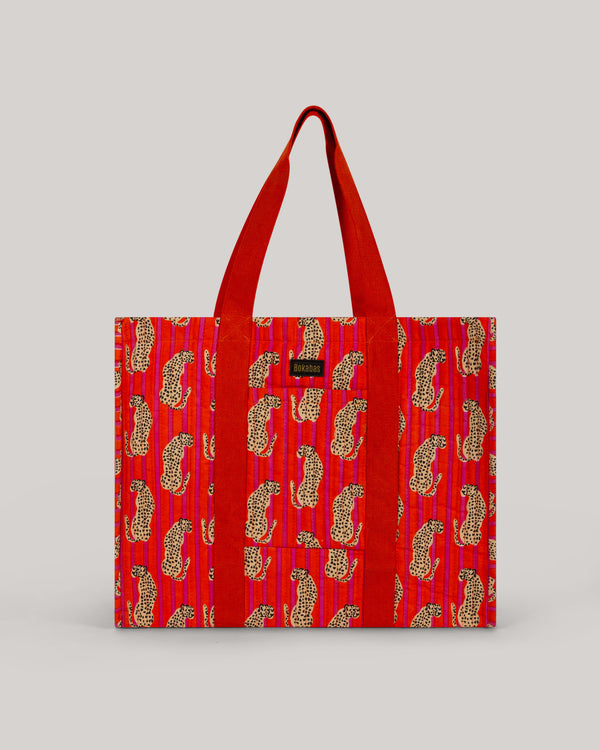
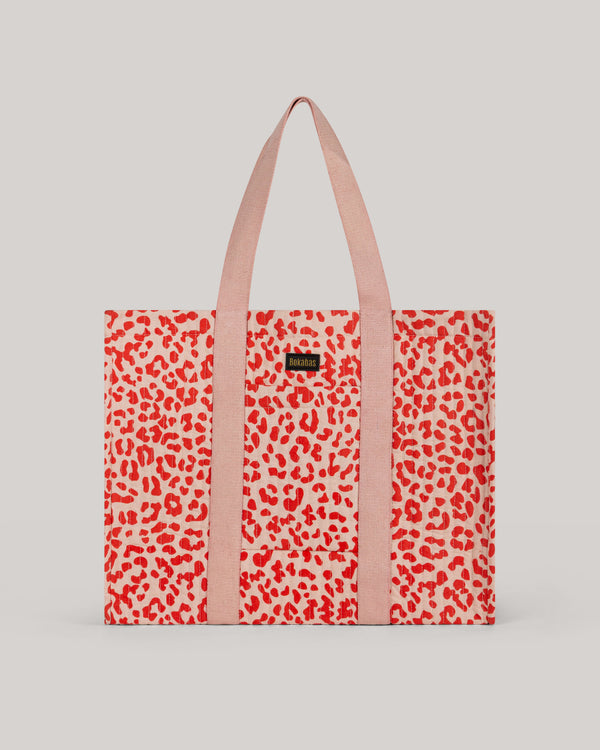
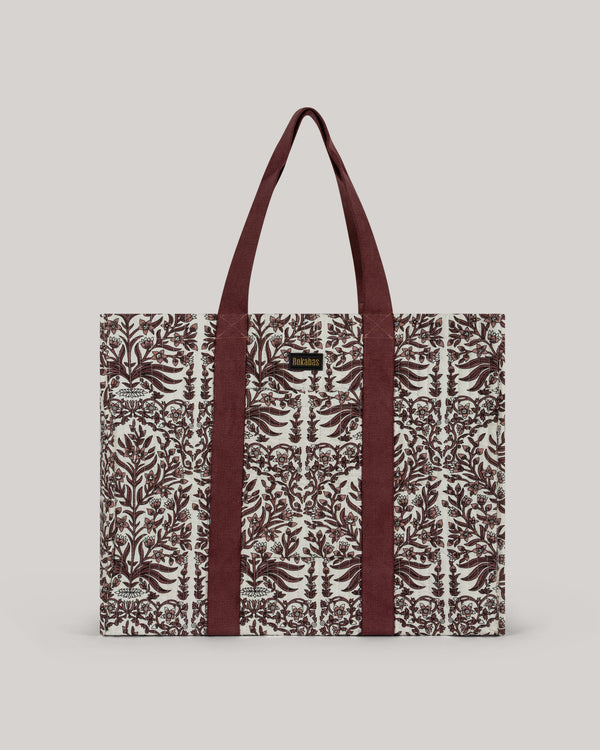
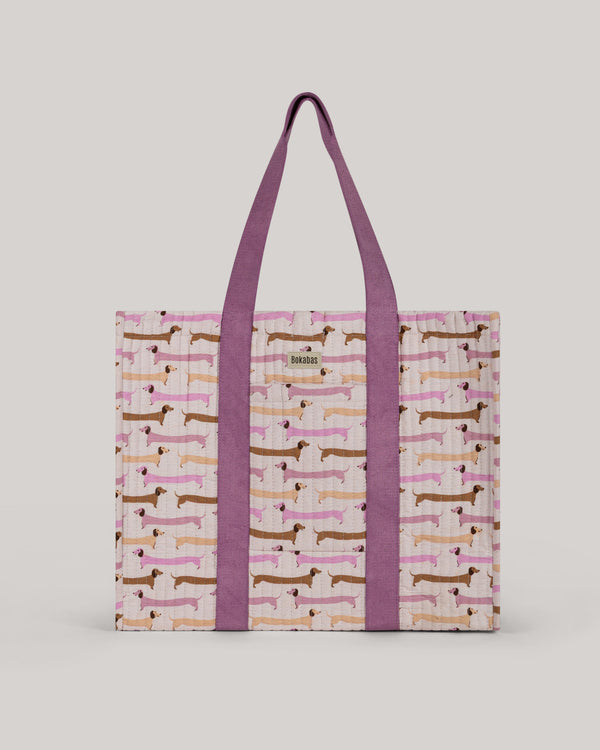
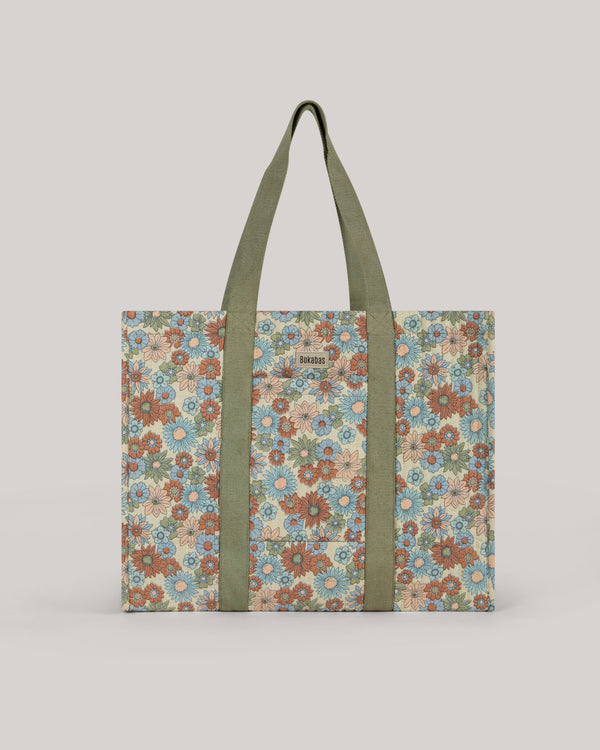
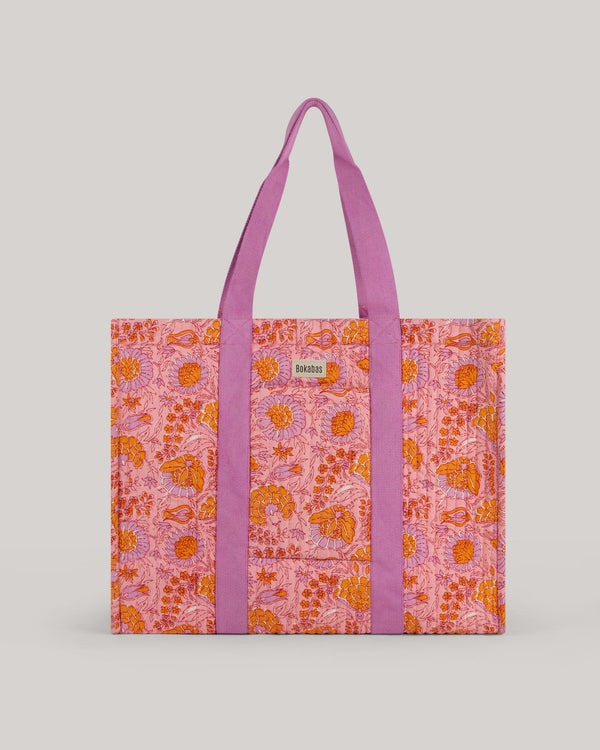
At Bokabas, we chose quilted cotton: the structure and wide base of a beautiful tote, but lightweight, washable, and easy to care for. Here are our styles for those who shy away from leather but want the same look.
 Blue Surf Quilted Fabric Tote Bag
45€
View product
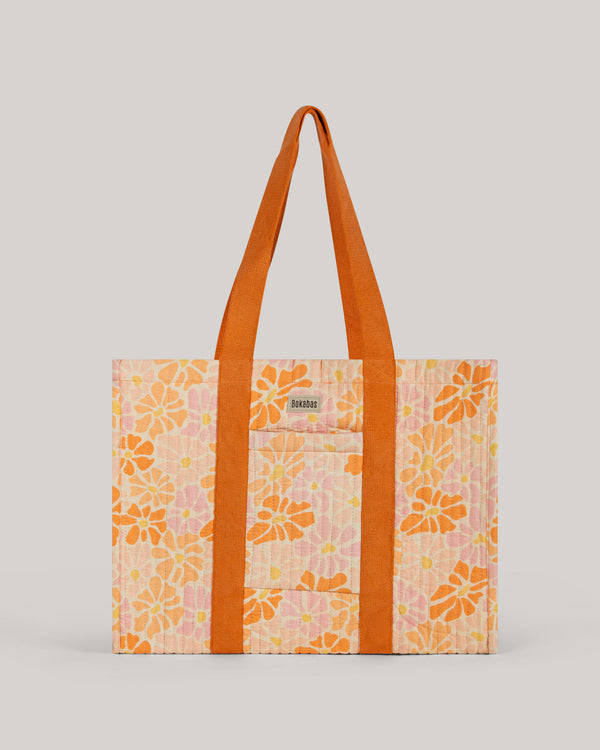
 Orange Tropique Quilted Fabric Tote Bag
45€
View product
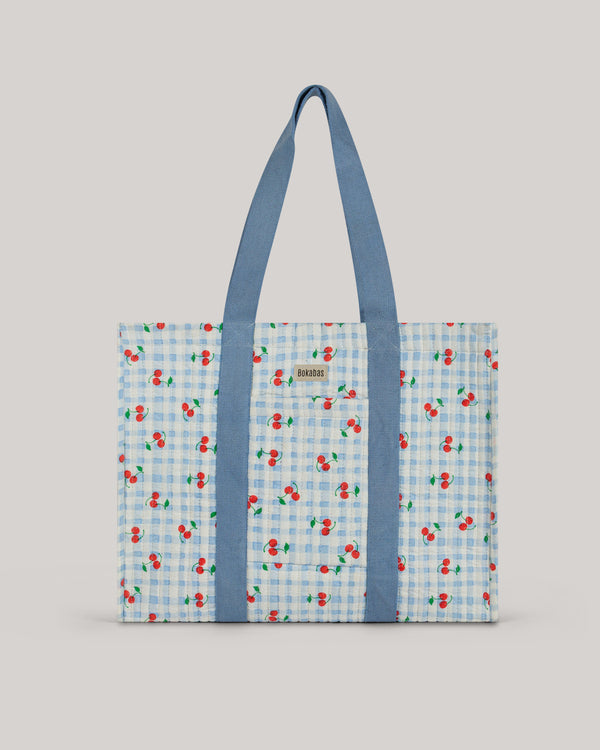
 The blue Daisy quilted fabric tote bag
45€
View product
The same feel as a classic tote bag, without the drawbacks of leather. If you want to compare all our styles, our guide to choosing the right tote bag can help you decide.
Also read: How to Choose a Women’s Tote Bag
In summary
A leather tote bag is timeless elegance—as long as you choose well and take care of it. Here’s what to remember:
- Type of leather: full-grain or pebbled for everyday use, nubuck for careful use
- Quality: even stitching, securely attached handles, lining, and a zip pocket
- Soft or structured: soft for a relaxed look, structured for a polished look
- Care: condition 2-3 times a year, waterproof, avoid sun exposure and overloading
- L’alternative: quilted cotton, lighter, washable, and maintenance-free for practical everyday use
A well-chosen leather tote bag will last for years. But if the upkeep and weight put you off, there’s an easier alternative.

Women’s Tote Bags Collection
14 styles available
DISCOVER THE COLLECTIONFAQ — Leather Tote Bags
What type of leather should you choose for a tote bag?
For everyday use, choose full-grain or pebbled leather: they’re durable, hide minor scratches well, and develop a beautiful patina. Nubuck is velvety and elegant, but more vulnerable to water and stains—save it for careful use in dry weather.
How do you care for a leather tote bag?
Condition the leather two to three times a year with a suitable leather conditioner, waterproof it before the rainy season, and clean stains immediately with a barely damp soft cloth. Avoid prolonged sun exposure and store it in a fabric bag, never in plastic. Don’t overload it to protect the handles.
Soft or structured leather tote bag: which is better?
Soft leather has a relaxed look, is lightweight to carry, and molds to its contents, but slouches when it’s not full. Structured leather holds its shape and looks more polished, at the cost of a little extra weight. Choose based on how you’ll use it: soft leather for the city, structured leather for the office.
What’s an alternative to a leather tote bag?
Quilted cotton is the best alternative to leather: it has the structure and look of a beautiful tote bag, yet it’s lightweight, machine washable, rain-resistant, and less expensive. It’s the ideal choice if you want a practical bag you can put through its paces without worrying about upkeep.










Leave a comment
This site is protected by hCaptcha and the hCaptcha Privacy Policy and Terms of Service apply.